Geopolitical risk is a constant in markets — it simply flares up from time to time
Over the weekend, tensions escalated sharply, with Iran under direct attack from Israel and the US, and Iran’s response strikes are spreading across the region. The shift in US posture — from containment toward targeted decapitation-style strikes — marks a meaningful change in policy.
The footage has been confronting. For many in the West, this scale of military action feels shocking. In the Middle East, sadly, it is less unfamiliar. Commercial infrastructure and residential areas have been caught in the crossfire, heightening global anxiety.
Going into the market open on Monday, many expected fireworks.
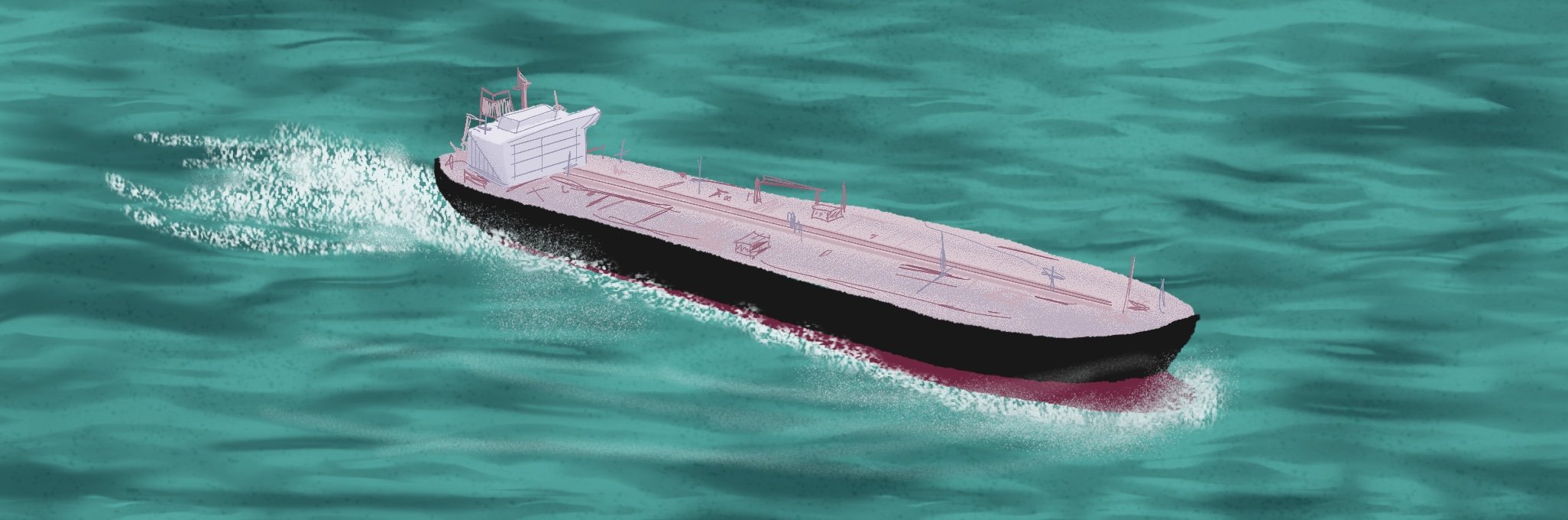
The most obvious pressure point was oil. Around 20% of global petroleum supply — roughly 20 to 21 million barrels per day — moves through the Strait of Hormuz, along with a significant share of global LNG exports. Brent crude rallied toward USD80, but that remains broadly in line with recent multi-year averages — not an extreme spike.
Markets, however, responded relatively calmly. Both the S&P 500 and the ASX finished broadly flat on the first trading day after the attacks. Australian energy stocks rallied more than 5% as higher oil prices lifted profit expectations. The US dollar strengthened on safe-haven demand, while currencies of oil exporters such as Norway and Canada proved more resilient.
History tells us that most retaliatory investment actions to geopolitical events do not age well. Selling quality assets into panic or chasing short-term moves often proves costly in hindsight. In many cases, fading the initial fear — particularly when high-quality assets temporarily go “on sale” — has been the more measured course of action.
That said, escalation risk remains. The US continues to amass military assets in the region, and attacks are intensifying. If oil prices remain elevated, inflation will feel the impact — particularly in Australia, where limited domestic fuel reserves mean higher global prices would likely flow quickly through to consumers.
We don’t have a crystal ball on the timing or nature of these events. What we can do is manage portfolios to be resilient to them. Diversification remains our primary defence. We remain positioned to benefit from volatility where possible — for example, we have recently reduced AUD hedges across several strategies, which would assist if the US dollar continues to rally on safe-haven flows.
We are monitoring the situation closely. Should we see signs of meaningful escalation beyond a regional conflict, that would be the time to consider more significant portfolio adjustments.
Until then, our focus remains on protecting client capital while remaining prepared to take advantage of opportunities that volatility inevitably creates.
Geopolitical risk is a constant in markets — it simply flares up from time to time.
More like this